Main Stage
Interested in facilitating a discussion table? We’re looking for dynamic thought leaders and industry experts to facilitate some of today’s most relevant and thought-provoking conversations in HR. If this sounds like you, we’d love to connect—contact us here.
- Discussion Table 1: Career transitions: Staying, leaving, and designing your next move
- What are the key signs to stay and stretch in your current role versus time to move on?
- What has helped you design a career move that better fits your strengths and life?
- What can you do in the next 6–12 months to stay “move-ready,” either way?
- Discussion Table 2: Finding your niche in insurance
- When in your work do you feel most engaged and confident? What does that say about the kind of niche that might suit you?
- What parts of insurance have you ruled out, and what did you learn about yourself from those experiences?
- What are effective ways to differentiate yourself without becoming too narrowly defined?
- Discussion Table 3: Managing up in insurance organizations
- What aspects of managing do you find most challenging right now, and why do you think that is?
- When have you successfully influenced a decision or outcome upward, even in a small way, and what helped make that happen?
- How comfortable are you advocating for yourself with senior leaders, and what tends to hold you back?
- Discussion Table 4: Talent retention in specialized insurance roles
- Where have you seen strong talent disengage or leave a team, and what do you think drove that decision?
- What retention efforts have worked for you in the past, and where have well-intentioned approaches fallen short?
- What signals do you use to identify retention risk early, especially in highly specialized or hard-to-replace roles?
- Discussion Table 5: Practical mentorship: Making it work when everyone is busy
- What has made mentorship difficult to sustain for you in the past, and what would need to change for it to feel manageable this time?
- What small, consistent practices could make mentorship valuable without requiring a major time commitment?
- What boundaries or structures could help you stay engaged without feeling stretched too thin?
- Discussion Table 6: Marketing strategies for women in insurance
- What does “marketing” in insurance currently mean to you, and what feels uncomfortable or unclear about it?
- Which marketing channels feel most natural for you right now, and which feel forced or intimidating?
- What marketing efforts have you tried that didn’t work, and what did you learn about your audience or yourself from those experiences?
Industry trends & business strategy
- Discussion Table 7: The growing role of ESG in insurance decisions
- What knowledge gaps or resource constraints make it difficult for you to confidently engage in ESG-related conversations with leadership, clients, or partners?
- Where do you feel tension between ESG goals and traditional insurance priorities like profitability, risk selection, or client expectations?
- What does ESG currently mean in your role, and where does it feel clear versus overwhelming or ambiguous?
- Discussion Table 8: Emerging risks that keep you up at night
- Which emerging risks (cyber, climate, regulatory, or market shifts) are causing you the most concern in your role, and why?
- What strategies have you tried to proactively address emerging risks, and which have worked or fallen short?
- How do you communicate emerging risks to clients, colleagues, or leadership without creating unnecessary alarm but still ensuring action is taken?
- Discussion Table 9: Navigating client expectations vs. operational realities
- Which client expectations do you most often struggle to meet, and what makes them challenging to navigate in your role?
- When a client expectation conflicts with operational realities, how do you decide what to prioritize?
- What tools, strategies, or support would help you more confidently set and manage client expectations in your day-to-day work?
- Discussion Table 10: Explaining cost increases to internal and external stakeholders
- What parts of explaining cost increases feel most uncomfortable or challenging for you?
- Can you recall a time when a cost increase was received well, and what approach or language helped make that conversation successful?
- When stakeholders push back on cost increases, how do you balance maintaining relationships with communicating the business realities?
- Discussion Table 11: Understanding Canadian vs. US market realities
- What aspects of the US or Canadian insurance market have you found most challenging in your experience?
- When working across borders, how do you determine what market realities to prioritize without overcomplicating the client experience?
- What gaps in your knowledge about the US or Canadian market make you feel less confident in advising clients or colleagues?
Culture, well-being & inclusion
- Discussion Table 12: Inclusion, belonging, and being an ally in insurance
- When have you noticed someone feeling excluded or unheard at work – and how did you respond (or wish you had responded)?
- What does being an ally mean to you in your day-to-day role, and where do you feel unsure about how to take action?
- If you could change one thing about your organization’s culture to better support DEI, what would it be? How could you contribute to that change personally?
- Discussion Table 13: The human side of technology adoption
- What new technologies or tools have been most challenging for you to adopt, and what made them feel difficult or overwhelming?
- What strategies have you found helpful for encouraging others on your team to adopt technology, especially when they are hesitant or overwhelmed?
- How do you personally approach learning and adapting to technology, and where do you wish you had more support?
- Discussion Table 14: Avoiding burnout in high-pressure insurance roles
- How do you currently recognize early signs of burnout in yourself, and what strategies have helped to address them?
- What boundaries or routines have you tried to set to protect your time and energy, and where have they been difficult to maintain?
- What activities or practices outside of work help you recharge, and how could you realistically integrate them into a busy schedule?
- Discussion Table 15: Strategies for work/life balance at every stage
- What parts of your current role or schedule create the most tension between work and personal life?
- How have your work/life priorities shifted at different stages of your career, and what has helped you adjust successfully?
- What habits or practices have helped you feel more balanced, even during busy or high-pressure periods?
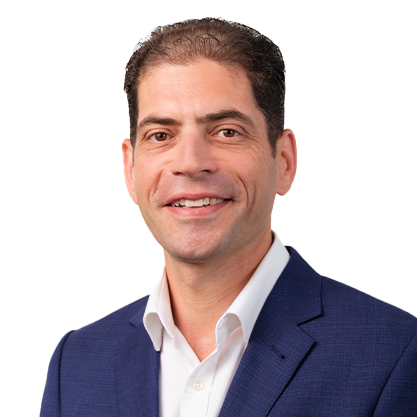
With 25 years of experience living and working across five continents, I’ve spent my career solving complex Global HR Technology and Data challenges. After 15 years building increasingly large and complex global HRIS systems, I became frustrated by the disconnect between the data HR was collecting and the business’s need to drive revenue, engagement, and performance.
That frustration led me to dedicate the past 11 years to People Analytics — creating solutions that help HR, business leaders, and employees make informed decisions based on accurate, relevant, and timely data. Whether developing a world leading Organisational Network Analytics product, leading Deloitte Australia's People Analytics capability or now at Rio Tinto, my focus has remained the same: enabling sustained and measurable business impact.
At Rio Tinto, I bring passionate HR professionals together with our super-smart analytics team, helping ideas spark and grow. What drives me is showing the real impact of that connection — turning energy and expertise into stories leaders can act on, and proving the value it creates for people and the business.
With 25 years of experience living and working across five continents, I’ve spent my career solving complex Global HR Technology and Data challenges. After 15 years building increasingly large and complex global HRIS systems, I became frustrated by the disconnect between the data HR was collecting and the business’s need to drive revenue, engagement, and performance.
That frustration led me to dedicate the past 11 years to People Analytics — creating solutions that help HR, business leaders, and employees make informed decisions based on accurate, relevant, and timely data. Whether developing a world leading Organisational Network Analytics product, leading Deloitte Australia's People Analytics capability or now at Rio Tinto, my focus has remained the same: enabling sustained and measurable business impact.
At Rio Tinto, I bring passionate HR professionals together with our super-smart analytics team, helping ideas spark and grow. What drives me is showing the real impact of that connection — turning energy and expertise into stories leaders can act on, and proving the value it creates for people and the business.
Discussion Table 2: Leadership Capability and Development: Building Agile and Resilient Leaders
Discuss robust frameworks and practical pathways to prepare leaders and managers to navigate change, lead hybrid teams, and foster organisational agility.
- What frameworks and strategies are most effective for building leadership capability to meet tomorrow’s business challenges?
- How can organisations best prepare leaders to manage hybrid teams and drive transformation in a rapidly evolving environment?
- What practical development pathways can ensure leaders are equipped to handle ongoing change and uncertainty?
With 25 years of experience living and working across five continents, I’ve spent my career solving complex Global HR Technology and Data challenges. After 15 years building increasingly large and complex global HRIS systems, I became frustrated by the disconnect between the data HR was collecting and the business’s need to drive revenue, engagement, and performance.
That frustration led me to dedicate the past 11 years to People Analytics — creating solutions that help HR, business leaders, and employees make informed decisions based on accurate, relevant, and timely data. Whether developing a world leading Organisational Network Analytics product, leading Deloitte Australia's People Analytics capability or now at Rio Tinto, my focus has remained the same: enabling sustained and measurable business impact.
At Rio Tinto, I bring passionate HR professionals together with our super-smart analytics team, helping ideas spark and grow. What drives me is showing the real impact of that connection — turning energy and expertise into stories leaders can act on, and proving the value it creates for people and the business.
Discussion Table 3: The Evolution of Performance Management: Modern Approaches to Measuring and Improving Employee Performance
Discover how agile, real-time feedback and coaching are transforming performance management beyond the traditional annual review.
- What are the key challenges and benefits of moving from annual performance reviews to a continuous feedback model?
- How can HR leaders implement real-time coaching and agile performance management systems to drive employee engagement and growth?
- What strategies ensure continuous feedback is meaningful, actionable, and aligned with organisational goals?
Katrina Dawson is a senior People and Culture leader, Director of a boutique fitness and wellbeing business, and mother to two boys.
With over 18 years’ experience across People & Culture, Katrina has held senior leadership roles spanning HR partnering, talent, careers, performance and leadership development within large, publicly listed and private multinational organisations. She currently works at Aurecon, a global design, engineering and advisory firm, where she leads the Talent, Careers & Performance Centre of Excellence.
Katrina is recognised for shaping and delivering enterprise-wide people strategies that enable sustainable performance, build leadership capability and strengthen organisational effectiveness. She partners closely with executive leaders to design and implement talent, career and performance frameworks that support growth, accountability and a high-performance culture. Her work is grounded in pragmatic strategy design, systems thinking and disciplined execution, whilst leveraging AI and technology to enable a clear focus on creating long-term talent advantage.
Discussion Table 4: Inclusive by Design: Embedding Diversity, Equity, Inclusion, and Belonging (DEIB) Across the Employee Journey
Explore how organisations can prioritise DEIB, harnessing technology to reduce bias, and weaving inclusion into every stage of the employee experience.
- What practical steps can HR leaders take to embed DEIB throughout the entire employee lifecycle?
- How can technology be leveraged to identify and reduce bias in recruitment, development, and advancement?
- What metrics and strategies best measure progress and ensure accountability in DEIB initiatives?
- How can organisations create accessible and inclusive workplaces for people with disability and what role do workplace adjustments and support systems play in enabling their success?
Facilitator/Co-Hosts:
Claudia has been a Professional Adviser with JobAccess since 2021 and has worked extensively across the disability sector. They were Australia’s first blind Orientation and Mobility Specialist before moving into roles supporting young people with disability to navigate the NDIS and assisting people with complex disabilities to transition out of nursing homes. Claudia is also an avid marathon runner and is on track to complete their fifth of six World Marathon Majors in 2026.
Kellie has been an NDRC Professional Adviser for three and a half years, working closely with employers to build confidence in disability recruitment. She has experience across multiple Government employment contracts and, as a parent of children with disability, is deeply passionate about inclusive workplaces and improving employment opportunities for people with disability. Her work centres on practical strategies that empower organisations to embrace diversity.
Rob has over 15 years of experience in diversity and inclusion, with a strong focus on improving employment outcomes for people with disability. He previously led the Abilities Program at ANZ before joining JobAccess six years ago. Rob works with employers to strengthen their recruitment practices through tailored advice and training, bringing both professional expertise and lived experience to his work.
Discussion Table 5: Beyond Compliance – Proactive Strategies for Psychosocial Hazards and Workplace Wellbeing
Uncover effective tools and approaches to identify, manage, and mitigate psychosocial risks while fostering healthy workplace relationships and holistic employee well-being.
- What practical strategies can HR leaders implement to proactively identify and address psychosocial hazards in the workplace?
- Which tools and metrics are most effective for monitoring psychosocial risks and measuring the impact of wellbeing initiatives?
- What legal updates can we expect in workplace health and safety and how can organisations remain compliant?
Facilitator/Co-Hosts:
Discussion Table 6: Mitigating Risk – Navigating the Changing Legal Landscape
Stay ahead of regulatory risks by understanding and implementing the latest employment law and compliance requirements.
- What are the biggest risks for employers arising from recent legislative changes in employment law?
- What changes can we expect in the next 6-12 months?
- How can organisations build a culture of accountability and transparency amid evolving legal requirements?
Discussion Table 7: Change Leadership –Driving Organisational Agility
Discover best practices for leading change, empowering teams, and leveraging technology to foster agility and resilience during transitions and rapid growth.
- What are the most effective strategies for building a change-ready culture that supports both managers and employees through transformation?
- How can HR leaders leverage technology to manage change fatigue and drive successful organisational agility?
- What lessons can be learned from recent leadership transitions or periods of rapid growth to strengthen future change management efforts?
Discussion Table 8: Winning the Race for Talent – Attraction and Retention Strategies in a Competitive Market
Explore how HR leaders can harness technology for skills-based hiring, predictive retention strategies, and employer branding to attract and keep top talent in a competitive market.
- How can HR technology and predictive analytics be used to enhance both talent acquisition and retention outcomes?
- What are the most effective strategies for building a compelling employer brand that stands out in today’s talent market?
- How can organisations shift to skills-based hiring to better align talent with evolving business needs?
Facilitator/Co-Hosts:

Rebecca Sheridan is a senior talent acquisition leader with over 18 years’ experience . As Talent Acquisition Manager, Australia at Aurecon, she drives strategies aligned to future workforce needs—embedding AI, automation, and process optimisation to deliver smarter, faster, and more human-centred recruitment outcomes.
A 2025 SEEK Talent Awards finalist for TA Manager of the Year, Rebecca is recognised for her innovative approach to redesigning recruitment workflows, elevating candidate experience, and supporting hiring managers with data-driven insights. She has played a pivotal role in shaping Aurecon’s award-winning graduate programs and building diverse, high-quality talent pipelines.
Passionate about the future of AI in recruitment, Rebecca champions technology that removes friction, enhances decision-making, and ensures stakeholders and candidates receive the best possible experience.
Discussion Table 9: Redefining Work – Best Practices for Hybrid and Remote Success
Unpack strategies for designing, managing, and enabling hybrid and flexible work models that boost collaboration, productivity, and organisational culture.
- What are the key challenges and best practices for designing and managing successful hybrid and flexible work arrangements?
- How can technology be leveraged to enhance collaboration and maintain a strong organisational culture in distributed teams?
- What metrics and tools can HR leaders use to measure productivity and engagement in hybrid and remote work environments?
Facilitator/Co-Hosts:
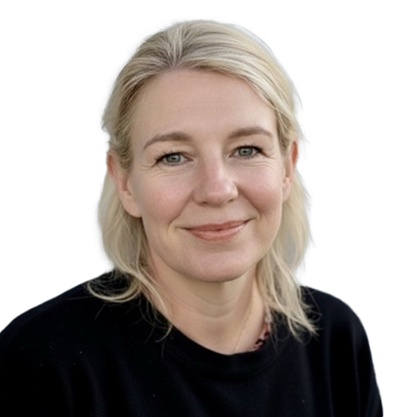
Selina brings 25 years of experience in global mobility, specialising in mobility transformation and income tax advisory. She works closely with organisations to develop and implement practical mobility strategies, policies and processes that support the movement of talent across international borders and within Australia.
Her experience spans global mobility program management, expatriate tax, salary packaging, cross-border employee share schemes, and a wide range of employment tax and regulatory considerations. Selina is based in Sydney.
Stacey specialises in immigration, business travel, international remote work and the global movement of talent. With over 20 years of experience in corporate global immigration specializing in Australia and the Asia Pacific region, she provides advice to clients on global workforce management, and support individuals and companies on all aspects of business travel and international relocation. Stacey is devoted to creating streamlined travel programs and delivering practical solutions for clients.
Stacey works with clients across an array of industries including transport, engineering, IT, media and finance. She has managed large scale, cross border immigration programs and is a strategic immigration advisor. Stacey is actively involved in government relations’ efforts. In recent years, she has been involved in the preparation of strategic advice for the Australian Department of Foreign Affairs and Trade on regional migration issues.
Ben is the APAC Lead for Remote Work and the Singapore team leader at Vialto Partners, where he works with organisations across the region in relation to enabling global work and the strategic alignment of talent and mobility.
With more than 25 years of experience, Ben has advised multinational clients on cross-border workforce solutions, remote work policies and implementation and cross border tax optimisation with particular speciality in Australia, US and Singporean taxes. He has for many years also assisted foreign entertainers, sportspeople and the organisations that employer in relation to the tax and immigration considerations of their international operations.
Discussion Table 10: Beyond Engagement: Redefining the Employee Experience
Explore innovative strategies to enhance every stage of the employee experience, driving engagement, retention, and organisational success.
- What are the most effective ways to measure and improve employee experience across the entire employee lifecycle?
- How can HR leaders personalise the employee experience to boost engagement and retention in a diverse workforce?
- What role does technology play in shaping a seamless and meaningful employee experience?